24 Aug 2026
Connecting tutorial resources with financial limit tools in portable reel-based sessions
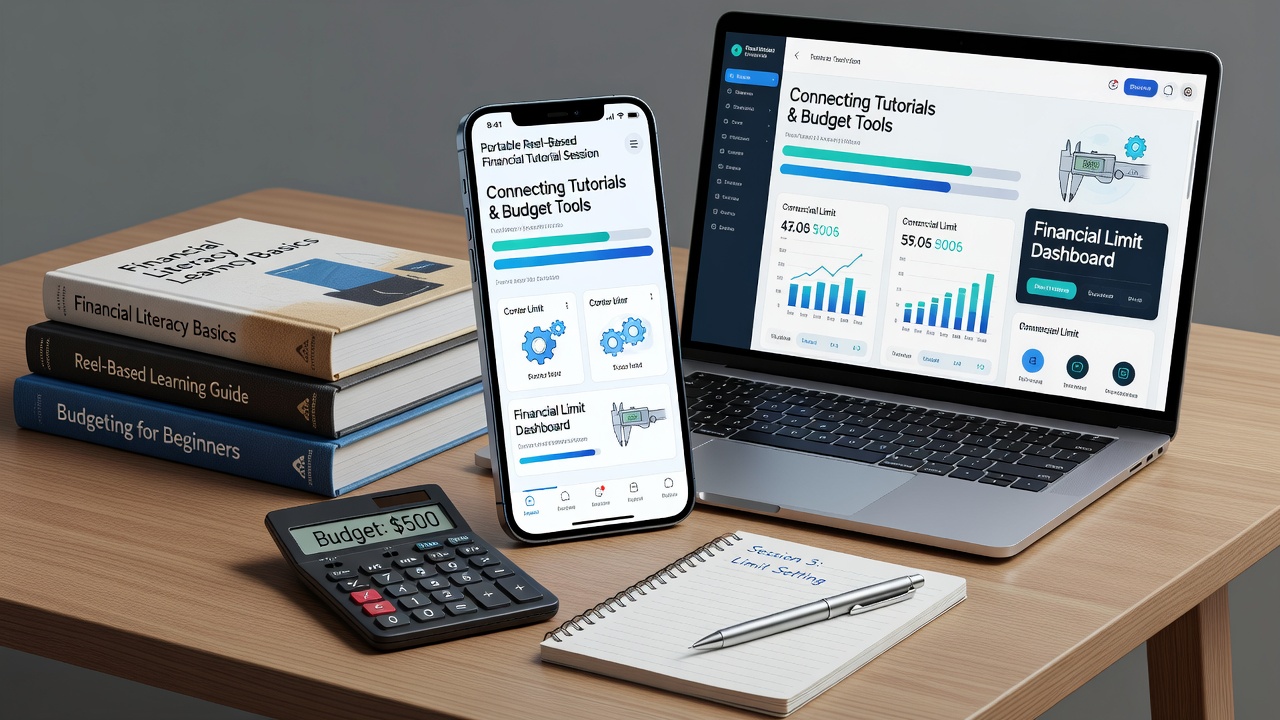
Portable reel-based sessions refer to mobile slot gameplay that players access through apps or browsers on smartphones and tablets, where tutorial resources often appear as in-game guides or pop-up modules while financial limit tools let users set deposit caps, loss thresholds, and session timers directly within the same environment.
Integration patterns across mobile platforms
Operators embed tutorial content into the same menu structures that house limit-setting functions, so a player who opens the help section sees both explanatory videos on game mechanics and immediate options to adjust spending boundaries before starting reels. Data from regulatory filings indicate that this side-by-side placement increases the likelihood that users encounter limit tools during their first few sessions rather than after extended play.
August 2026 saw several platform updates roll out across North American and European markets that standardized API connections between tutorial libraries and responsible-play dashboards, allowing real-time prompts that reference a player’s current limit status while explaining reel mechanics. Those updates followed earlier pilot programs in which tutorial completion rates rose when the material included direct links to limit configuration screens.
Regional regulatory frameworks supporting the connection
Canadian provincial regulators require operators to display tutorial material that includes clear references to financial limit tools before any real-money reel session begins, while Australian state commissions have published technical standards that mandate seamless navigation between educational content and deposit-limit interfaces on mobile devices. Figures released by the Victorian Responsible Gambling Foundation show that sessions incorporating both elements recorded a measurable drop in average bet sizes among new accounts during the first thirty days of activity.
Researchers at the University of Nevada, Reno tracked mobile slot users over eighteen months and found that players who completed integrated tutorials were more likely to activate at least one financial limit within the same week compared with those who viewed tutorials in isolation. The study attributes the difference to the reduced number of clicks required when tutorial text directly hyperlinks to the limit panel.
Technical implementation in current applications
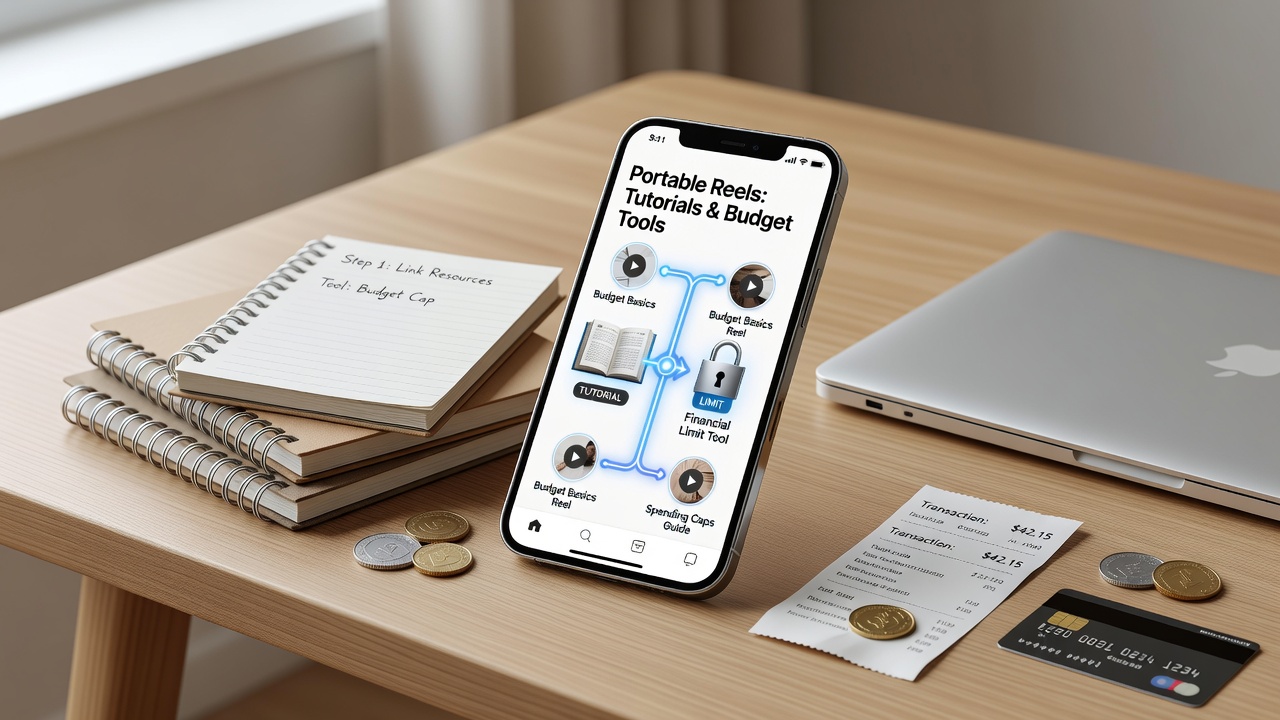
Developers achieve the connection through modular code that loads tutorial assets from a content management system while simultaneously querying the player’s account database for active limits, so the displayed guidance can adapt based on whether limits are already set. This approach keeps the experience consistent across iOS and Android sessions without requiring separate logins or menu switches.
One documented case involved a mid-sized operator that added contextual buttons inside reel-tutorial videos; tapping the button opened the financial-limit overlay without exiting the tutorial flow. Post-implementation analytics indicated that the feature accounted for a significant share of new limit activations during the subsequent quarter.
Usage data and observed patterns
Industry reports compiled by the Canadian Centre for Gaming Research indicate that mobile reel sessions incorporating tutorial-limit linkages experienced a higher rate of voluntary limit adjustments than desktop counterparts during the same period. The reports also note that players who set limits after viewing connected tutorials maintained those settings for longer average durations before any modification.
Observers note that tutorial content frequently uses short animated sequences to illustrate how exceeding a pre-set loss limit triggers an automatic pause, thereby linking the educational example directly to the tool’s function. This narrative style appears in multiple jurisdictions and aligns with accessibility guidelines that favor visual demonstrations over lengthy text blocks on smaller screens.
Future developments expected after August 2026
Technical working groups formed by gaming associations in both the United States and Australia continue to refine standards that would allow tutorial resources to pull live data from financial-limit systems, enabling personalized examples such as “your current daily limit is set at X, which would cover Y spins at the current stake.” Such personalization remains under testing but has already appeared in limited beta releases on selected mobile titles.
Those who monitor platform compliance report that the trend toward tighter integration shows no sign of reversal, with new game certifications increasingly requiring evidence that tutorial flows and limit tools operate within a single user journey rather than as disconnected features.
Conclusion
The connection between tutorial resources and financial limit tools in portable reel-based sessions rests on technical linkages, regulatory mandates, and observed usage patterns across multiple jurisdictions. Data from academic studies and regulatory bodies document increased activation of limits when the two elements share the same interface, while ongoing standardization efforts point toward further refinements after August 2026. The factual record shows consistent implementation across regions without reliance on any single regulatory model.